
From Recording to Release: How to Get Your Music Ready for the World
From Recording to Release: How to Get Your Music Ready for the World
Recording a song is an exciting milestone, but getting your music ready for release involves more than capturing a great performance. From professional recording and mixing to mastering, distribution, and promotion, every stage plays a role in how your music sounds and reaches listeners.
Whether you’re recording your first single, working on an EP, or preparing a full-length album, understanding the music production process can help you save time, avoid costly mistakes, and make the most of your studio sessions.
At Abbey West Recording in Reno, Nevada, we work with artists at different stages of the creative process, helping turn musical ideas into polished, release-ready recordings.
1. Start With a Great Recording
Before thinking about streaming platforms or release dates, focus on getting the best recording possible.
A strong recording is the foundation of a great final product. While modern editing and production tools can accomplish a lot, they can’t always compensate for a weak performance, poor microphone placement, or an unsuitable recording environment.
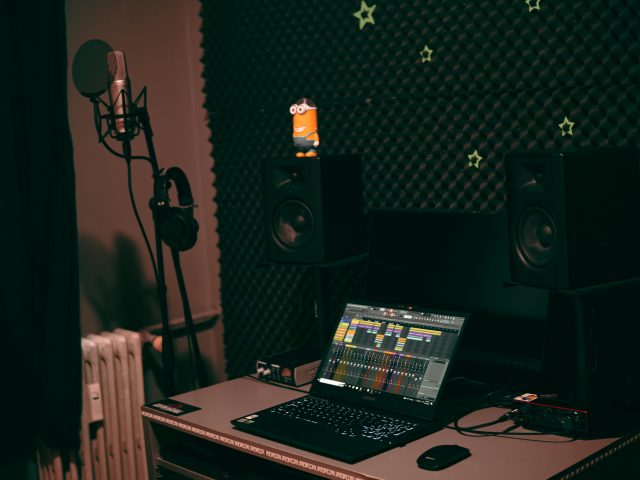
Working with a professional recording studio gives you access to experienced engineers, quality equipment, and acoustically designed spaces that help capture your music accurately.
Before booking your recording session, consider:
- Rehearse your songs and finalize arrangements.
- Decide which instruments or vocals you’ll record.
- Prepare reference tracks that demonstrate the sound you’re aiming for.
- Discuss your goals and expectations with your recording engineer.
- Allow enough studio time for multiple takes and creative experimentation.
Whether you’re tracking vocals, recording live instruments, or producing an entire song, preparation helps you spend more time creating and less time troubleshooting.
2. Mixing: Bringing Your Song Together
Once your tracks are recorded, the next step is mixing.
Mixing is the process of balancing and shaping the individual elements of your recording so they work together as a cohesive piece of music. A mixing engineer adjusts levels, equalization, dynamics, stereo placement, and effects to create clarity, depth, and impact.
A well-balanced mix should allow each instrument and vocal to occupy its own space without competing with the rest of the arrangement.
Professional mixing can make a significant difference, especially when your song contains multiple vocal layers, live instruments, or complex production elements.
It’s also important to listen to your mix in different environments. A song that sounds great through studio monitors might sound completely different through earbuds, car speakers, or a phone.
The goal is a mix that translates well across different listening systems.
3. Mastering: The Final Step Before Release
Mixing and mastering are often confused, but they serve different purposes.
While mixing focuses on the individual elements within a song, mastering works with the completed mix to prepare it for distribution.
A mastering engineer evaluates the overall tonal balance, dynamics, loudness, and technical quality of your recording. Mastering also helps maintain consistency between songs on an EP or album.
Professional mastering can help ensure your music sounds polished and competitive across streaming platforms and playback systems.
Before sending your song for mastering, make sure you’ve approved the final mix. Changes to individual instruments or vocals generally need to happen during the mixing stage, not mastering.
Before mastering begins, talk with your engineer about where you plan to release your music. Different distribution platforms may require different deliverables, and planning ahead can help ensure your final files are ready for submission.
At Abbey West Recording, we offer professional mixing and mastering services to help artists prepare their recordings for release.
4. Choose How You’ll Distribute Your Music
Once your final master is ready, it’s time to decide how listeners will access your music.
Independent artists can distribute music to platforms like Spotify, Apple Music, Amazon Music, and YouTube Music through digital music distributors.
Popular distribution services include DistroKid, CD Baby, and TuneCore. Each offers different pricing structures, features, and payment arrangements, so it’s worth comparing your options.
Before uploading your music, you’ll typically need:
- Your final mastered audio files in the distributor’s required format.
- Album or single artwork that meets platform specifications.
- Accurate song titles, artist names, and contributor credits.
- Songwriting and publishing information.
- A planned release date.
Your distributor may also assign ISRC codes to identify individual recordings.
Be sure to review your metadata carefully. Incorrect artist names, song titles, or credits can create complications after release.
Know Your Platform’s Audio and Artwork Requirements
Before uploading your music, take time to research the technical requirements of your chosen distributor and streaming platforms. Different services may have specific requirements for audio file formats, sample rates, bit depths, artwork dimensions, and metadata.
For example, most digital music distributors accept uncompressed WAV files, commonly at 16-bit or 24-bit resolution, with sample rates such as 44.1 kHz. However, accepted specifications vary by distributor, and some platforms support higher-resolution audio.
Artwork requirements matter, too. Many distributors recommend square cover images of at least 3000 × 3000 pixels, typically in JPG or PNG format. Images that are too small, contain unauthorized material, or don’t meet a platform’s content guidelines may be rejected.
Before submitting your release, make sure to:
- Check your distributor’s current audio format, bit depth, and sample rate requirements.
- Confirm the accepted file types, dimensions, and resolution for cover artwork.
- Review metadata guidelines, including artist names, featured performers, and songwriting credits.
- Understand how your distributor handles loudness normalization and audio conversion.
- Allow enough time for processing, quality checks, and potential corrections before your release date.
It’s especially important to research these requirements before your final mastering session. Your mastering engineer can help prepare appropriate deliverables for your intended distribution channels, potentially saving you from unnecessary conversions or last-minute technical issues.
Taking a little extra time to understand the requirements of Spotify, Apple Music, and other platforms can help prevent delays and ensure your music reaches listeners in the best possible quality.
Keep in mind that streaming platforms and digital distributors don’t always have the same submission requirements. Most independent artists upload through a distributor, so start by checking that distributor’s current specifications.
5. Build a Music Release Plan
One of the biggest mistakes independent artists make is waiting until their music is finished to think about promotion.
A successful music release doesn’t necessarily require a large budget, but it does benefit from planning.
Consider developing a simple promotional timeline several weeks before your release date.
This might include creating short-form videos, sharing behind-the-scenes footage from your recording sessions, preparing promotional photos, and announcing your release to your audience.
You can also explore opportunities to submit your music to independent playlists, local radio stations, music publications, and blogs that cover your genre.
For Reno musicians, local performances and collaborations can be valuable ways to introduce new music to audiences and build relationships within the community.
Remember: releasing a song isn’t just about uploading a file. It’s about giving people a reason to listen.
6. Make the Most of Your Recording Studio Experience
A professional recording studio can offer more than equipment and technical expertise.
An experienced engineer can help identify issues before they become expensive problems, suggest improvements to your recording approach, and provide an outside perspective when you’ve spent countless hours listening to the same song.
That collaboration can be especially valuable for independent musicians managing the recording and release process themselves.
Whether you need help tracking vocals, recording instruments, refining a mix, or preparing your music for mastering, having the right people involved can make the entire process more efficient and enjoyable.
7. Don’t Forget What Comes After the Release
Your release date is an important milestone, but it doesn’t have to be the end of your promotional efforts.
Continue sharing your music through live performances, social media, music videos, and collaborations with other artists.
Pay attention to how listeners respond. Streaming analytics, audience feedback, and engagement can help you understand which promotional efforts are reaching people and what you might want to try differently next time.
Most importantly, use what you’ve learned to make your next recording project even stronger.
Ready to Record Your Next Song in Reno?
From the first recording session to the final master, every step of the music production process contributes to the finished song.
At Abbey West Recording, we’re passionate about helping musicians create recordings they’re proud to share. Our Reno recording studio offers professional recording, mixing, mastering, and music production services for independent artists and established performers alike.
Whether you’re preparing your first single, finishing an EP, or getting ready to record a full album, we’re here to help you take the next step.
Your next release starts with a great recording.