5 Things That Can Waste Your Band’s Studio Budget (And How to Avoid Them)
5 Things That Can Waste Your Band’s Studio Budget (And How to Avoid Them)
Recording your band’s music in a professional studio is an investment. Whether you’re making your first single, an EP, or a full-length album, you want every dollar you spend to make the record better.
The good news? Getting a great recording isn’t necessarily about spending more money. It’s about making the most of the time you have.
A surprising amount of a band’s studio budget can disappear before the band even gets to the fun stuff. Learning songs in the studio, troubleshooting gear, making decisions that could have been made beforehand, or simply trying to accomplish too much in one session can quickly add up.
Here are five of the most common ways bands waste studio time—and what you can do to avoid them.
1. Walking Into the Studio Without Enough Rehearsal
This is probably the easiest way to burn through studio time.
There’s a big difference between knowing a song and being able to confidently perform it from beginning to end.
If your band is still figuring out the bridge, debating the ending, forgetting the arrangement, or learning parts during the session, the clock is running while you’re doing something that could have been done at rehearsal.
That doesn’t mean your songs need to be absolutely perfect before you enter a studio. Some of the best creative moments happen during recording. You may discover a better guitar part, change an arrangement, or decide that the chorus needs something different once you hear it in the room.
The goal isn’t to eliminate creativity.
The goal is to eliminate unnecessary decisions.
Before your session, make sure your band:
- Knows the arrangements
- Knows the song endings
- Has agreed on tempos
- Has rehearsed transitions
- Knows everyone’s parts
- Has practiced with a click track if you’re planning to use one
- Has recorded a rehearsal and listened back
- Has identified any sections that consistently cause problems
An hour spent rehearsing before your session is much cheaper than an hour spent trying to learn the song while the studio clock is running.
And remember: prepared doesn’t mean perfect. You want to walk into the studio confident enough that your time can be spent making the recording better—not figuring out what the song is.
2. Trying to Fix Your Gear in the Studio
Nobody wants to spend their first hour in the studio discovering that their guitar has a bad cable, their bass needs new strings, their drum heads are shot, or their favorite pedal suddenly doesn’t work.
But it happens.
Professional recording studios have plenty of gear available, but your engineer shouldn’t have to become your guitar tech, drum tech, and electronics repair person before the session can begin.
Every minute spent troubleshooting is a minute that isn’t being spent recording.
Give your gear a check before you arrive.
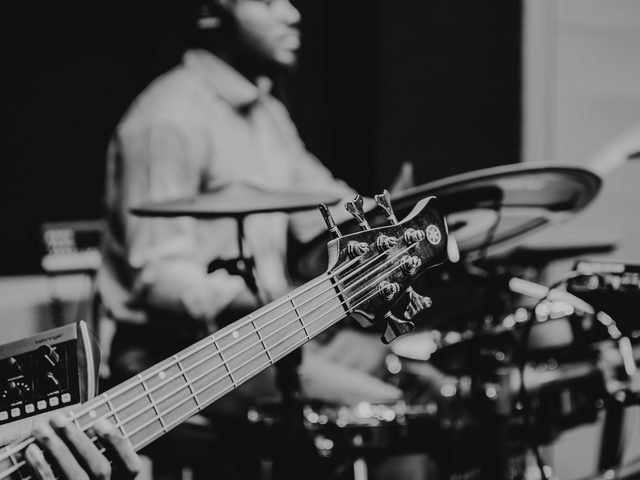
For guitars and bass:
- Check tuning and intonation
- Replace old strings ahead of time
- Check batteries
- Test pickups and electronics
- Make sure pedals are working
- Bring backup cables
For drums:
- Check drum heads
- Make sure the kit is in good working order
- Bring any specific cymbals or percussion you want to use
- Let your drummer know if there are particular sounds you’re trying to achieve
Your engineer should be worrying about how your record sounds, not trying to figure out why your guitar suddenly stopped making sound.
3. Spending Studio Time Making Decisions You Could Have Made Beforehand
“Should we add another guitar?”
“Should the chorus be longer?”
“Do we want to change the tempo?”
“Wait… what are we doing for the intro?”
Creative decisions are part of making a record. That’s one of the reasons you go into a studio in the first place.
But there is a difference between creative experimentation and indecision.
If your band spends 45 minutes debating the basic structure of a song, that’s 45 minutes that could have been spent recording another take, trying a different guitar sound, experimenting with an overdub, or getting another vocal pass.
Before your session, try to have the big decisions figured out:
- Song structure
- Key
- Tempo
- Intros and outros
- Vocal arrangements
- Harmonies
- Basic instrumentation
- Click or no click
- Important guitar or bass parts
- Any specific production ideas
Then leave room for inspiration.
You don’t want to walk into the studio with every single second of the record predetermined. That can take some of the fun out of making music.
Instead, give yourself a solid foundation so you have more time to explore the ideas that actually need to happen in the studio.
4. Trying to Record Too Much in One Session
We’ve all done it.
You book a full day and think, “We’ll knock out the whole album.”
Then song number one takes longer than expected.
Song number two needs some arrangement changes.
The drummer wants another take.
The guitar needs a different sound.
Now you’re halfway through the day and you’ve only finished one song.
Trying to cram too much into one session can actually cost you more in the long run.
When you’re rushing, performances can suffer. People get tired. Decisions become harder. You may skip overdubs or creative ideas simply because there’s no time left.
And once everyone is exhausted, the quality of the recording can start going downhill.
Instead, set realistic session goals.
Rather than:
“We’re recording the album today.”
Try:
“Our goal is to get solid basic tracks for these two or three songs.”
The amount of time a project needs depends on a lot of factors:
- Number of musicians
- Number of songs
- Song complexity
- Live vs. overdubbed tracking
- Number of takes
- Instrument changes
- Vocal production
- Editing requirements
- Production decisions
There isn’t a magic number of songs that every band can record in a day.
The better approach is to talk through the project with your engineer ahead of time and establish realistic goals.
Sometimes spending a little more time on fewer songs produces a much stronger record than trying to race through an entire project.
5. Not Communicating What You Actually Want
Your engineer can hear what you’re playing.
They can’t hear what’s happening inside your head.
That’s why communication is so important.
If you tell an engineer, “We want the guitars to sound huge,” that’s a starting point—but it doesn’t necessarily tell them what “huge” means to you.
Instead of trying to describe every technical detail, bring references.
Find two or three songs that have sounds you like and be specific about what you’re responding to.
For example:
“We love the guitar tone in this song, but we want our guitars to be a little wider. We also really like how the vocal stays clear in the chorus.”
That’s information an engineer can work with.
Consider bringing:
- Reference tracks
- Rough demos
- Lyrics
- Chord charts
- Notes about important parts
- Examples of sounds you like
- Examples of sounds you don’t like
- Any production ideas you’ve already discussed as a band
Good communication doesn’t mean you need to know how to operate a console or explain compression ratios.
It simply means you should be able to communicate what you’re trying to accomplish.
The better your engineer understands the goal, the less time everyone spends guessing.
Bonus: Don’t Underestimate Fatigue
There’s another studio budget killer that doesn’t always get talked about: being exhausted.
After several hours of recording, your ears get tired.
Your drummer gets tired.
Your vocalist gets tired.
Your ability to make good creative decisions starts to disappear.
Suddenly everything sounds wrong, nobody can agree on anything, and you’re spending an hour trying to fix a problem that might not actually exist.
Take breaks.
Eat something.
Drink water.
Give your ears a rest.
And don’t be afraid to stop when you’ve reached the point where you’re no longer getting better performances.
A productive eight-hour session isn’t necessarily eight hours of continuously recording.
Sometimes the smartest thing you can do with your studio budget is take a break.
Make Your Studio Budget Work for You
Your studio budget isn’t really about how many hours you can buy.
It’s about what you can accomplish with those hours.
The better prepared you are, the more of your budget can go toward the things that actually make your record better:
- Better performances
- Better sounds
- Creative experimentation
- Overdubs
- Vocal production
- Arrangement ideas
- Getting that extra take
- Making the song sound the way you heard it in your head
The goal isn’t to eliminate every unexpected moment. Some of the best parts of making a record happen when something unexpected happens.
The goal is to eliminate the avoidable problems so there’s more time for the exciting ones.
Planning Your Next Recording Session?
If you’re getting ready to record your band’s next single, EP, or album and aren’t sure how much studio time you’ll need, that’s something worth discussing before you book.
At Abbey West Recording, we can talk through your project, your songs, your goals, and your current level of preparation so you can come into the studio with a realistic plan.
Have questions about your next recording project? Get in touch with Abbey West Recording and let’s talk about what you’re working on.
Band Studio Prep Checklist
Before your session, make sure you’ve covered the basics:
☐ Songs are fully rehearsed
☐ Arrangements are finalized
☐ Tempos are decided
☐ Everyone knows their parts
☐ Instruments have been serviced
☐ Fresh strings/drum heads are installed
☐ All gear has been tested
☐ Backup cables and batteries are packed
☐ Lyrics are ready
☐ Reference tracks have been selected
☐ Rough demos are available
☐ Important production ideas have been discussed
☐ Session goals have been established
☐ Everyone knows the call time
The better prepared you are, the more time you have to make the record.